CBD acne treatment is a natural option for those suffering from acne. This powerful oil has anti-inflammatory properties. You must follow these guidelines when applying the oil. The first step is to do a skin test. It is a great idea to test your skin to ensure that you don't have any adverse reactions to the oil.
Treatment
Although CBD oil has not been proven to have any positive effects on acne, many skin products manufacturers have made use of it. While these products may not specifically target body acne, they could contain antibacterial and/or anti-inflammatory qualities. Acne can lead to scarring due to underlying skin problems. This can result from skin picking, enlarged pimples, and acne-related inflammatory processes.
CBD oil can then be applied to the affected area. The effects will not immediately become apparent. The results are impressive. CBD oil was twice daily applied to the skin, improving its elasticity as well as its ability to hydrate. The positive effects of CBD oil on acne scarring may take a while to manifest, but the results will be obvious.
Side effects
CBD oil, a natural substance that reduces inflammation, is an effective treatment. The amino acid acts by altering the protein equilibrative NUcleoside transporter 1. Adenosine receptors are also affected by the amino acid. These receptors are important in the inflammatory process. This action can help treat a wide range of medical conditions. It may even be useful for treating acne.
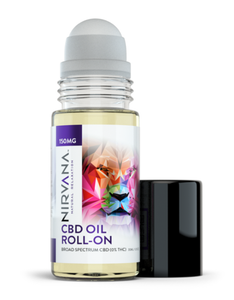
Natural plant-derived treatments such as CBD are popular because they have few side effects. CBD is a nonpsychoactive phytocannabinoid, derived from Cannabis sativa. It has been shown that CBD can help with inflammation diseases like acne. Studies have also shown CBD to be safe and well tolerated.
Cannabidiol is known for its acne-fighting abilities
Cannabidiol can be used to treat acne. It is a compound that has antioxidant and anti-inflammatory properties. This compound is also effective in treating skin problems such as dryness, acne, eczema, or psoriasis.
Acne can be caused either by bacteria or excess oil. CBD can help manage both. It works by interfacing with the CB1-CB2 receptors located in the brain. These receptors regulate the sebaceous gills. It also has antibacterial capabilities, killing many kinds of bacteria. It also soothes swollen skin and promotes cell production.
Signs
CBD has been shown to reduce the symptoms of acne by reducing inflammation. CBD is commonly found in acne creams, oils, and other products. However, since it is an oil, it can clog pores. CBD should never be directly applied on the acne problem spots. For this reason, you should discuss its use with your dermatologist.
Multiple studies have shown CBD to be effective in treating acne. Researchers found that CBD was effective in treating acne. CBD can also reduce scarring. CBD acne products, which act on the skin’s endocannabinoid systems, may be able to treat scarring and prevent recurrences.
Prevention
CBD can be used to reduce sebum production and prevent acne. Skin produces sebum in order to protect it against environmental pollutants. But too much of it can clog pores and cause breakouts. CBD decreased sebum production by human sebaceous glands, according to a 2014 study. The drug also stopped the activation and progression of inflammatory mediators that could cause acne.
CBD may be able to prevent acne from becoming a problem. However, it is important to thoroughly read any labels before purchasing a product. It is crucial to review the label to ensure safety.
FAQ
Which countries produce the highest quality CBD?
The United States is home to the greatest number of CBD products.
However, CBD products can also be made in Canada, Australia, New Zealand and Israel.
Is the CBD industry saturated?
CBD industry has a growing rate of 25% annually. This growth is expected not to stop for at least five more years. The industry is forecast to grow from $2 Billion to $5 Billion by 2020.
Two companies currently dominate the CBD market - GW Pharmaceuticals & Canndoc Ltd. Both companies are focused on the development of pharmaceutical-grade CBD products. They haven't been very successful so far. Both of them are having difficulty gaining traction in today's marketplace.
Cannabidiol is an extract of cannabis with less than 0.3% CBD. It doesn't produce any psychoactive effects. It is used for treating epilepsy and other medical conditions. It is also used to supplement a diet.
There are many varieties of CBD products. Some are made using whole plant extracts, while others use isolated cannabinoids such as CBD.
These products all share one thing in common: low levels are THC.
They are now legal under US federal laws. This doesn't mean you shouldn't follow local laws when selling CBD-related products. It is important to check the regulations in your state for CBD products.
Additionally, CBD products in some states are illegal. These include California, Colorado, Florida, Mississippi, Missouri, New York, North Carolina, Ohio, Oklahoma, Oregon, Pennsylvania, Rhode Island, South Dakota, Texas, Utah, Virginia, Washington, and Wisconsin.
CBD products shouldn't be used if you live in any of these states.
What conditions can CBD treat?
To have any treatment work, it must first affect the person's overall health. If you're using cannabis oil for medicinal purposes, a doctor must approve. If you don't have a doctor's prescription, it is illegal to use cannabis products.
You don't need a prescription if you use cannabis oil to support a healthy lifestyle. However, you may want to talk to your doctor first just to make sure they agree that it would be safe for you to take it.
Cannabis oils are made from either whole plant extracts or isolated compounds called cannabinoids (THC and CBN). They are rich in cannabinoids (CBD), tetrahydrocannabinol(THC) and cannabinols (CBN).
These components interact with the receptors in the body to produce pain relief, stress management, anti-inflammatory and antioxidant effects.
What are the most common mistakes companies make when they try to enter the US market for cannabinoid products?
The first mistake is not understanding what the regulations are for cannabis products. This could mean that you may have to change your product formulation.
Another mistake is not being able to correctly label your product. It is essential to find out if your product contains either THC or CBD.
Third, it is important to understand how to properly package your product. You must make sure that your product contains THC.
Even if your product doesn't contain THC, you must still comply with all packaging laws. There are many states in which cannabidiol is legal.
Keep track of any recalls regarding your products. If there is a problem with your product, it is important that you inform customers as quickly as possible.
Statistics
- The inhibition of FAAH is predicted to lead to an increase in brain and plasma concentrations of AEA, which acts as a partial agonist at CB1R and CB2R, thereby increasing endocannabinoid tone [92, 110]. (ncbi.nlm.nih.gov)
- As a substance that was federally illegal before the passage of the 2018 Farm Bill, hemp-derived cannabinoids with no more than 0.3% THC still face a regulatory grey area. (forbes.com)
- however, one study also found that these effects were virtually abolished when the original media (a nutrient broth agar) was replaced with one containing 5% blood (increasing the minimum concentration to ~160 μM CBD) [179]. (ncbi.nlm.nih.gov)
- HR −16 mmHg; 95% CI −26, −6; I2 = 92%) (ncbi.nlm.nih.gov)
- The use of these products is likely to become even more widespread if the World Health Organization's recommendation that CBD no longer is scheduled in the international drug control conventions is adopted by the United Nations member states [201]. (ncbi.nlm.nih.gov)
External Links
How To
How to get certified for selling CBD products
CBD (cannabidiol), one of the many cannabinoids found inside cannabis plants, is one. It has been used medicinally since ancient times, including in traditional China, India, and many South American nations. Because it can treat conditions such as anxiety, pain, epilepsy and inflammation, CBD has seen a rise in popularity over the years. If you're looking to sell CBD products, however, there isn't an official certification program. At least not in the U.S.
You have two options. The first option is to join a canna business association. This way, you can learn from others while getting support and advice. There are currently dozens of associations around the country. The second option is to take your business online. Online canna-businesses are now allowed in most states. If so, then you can set up your own website and begin taking orders right away. However, you must still register with your state's Department of Public Health. After you have registered, you can apply for a license from your state's Department of Public Health. Once you have received your license you are officially authorized to open your store, accept orders, and close it.